


Tucked away in the green embrace of Kaprikkadu near Perumbavoor, FDA Abhayaranyam stands as a flagship initiative of the Kerala Forest Department—where the wild is not just preserved, but given a second chance. More than a tourist destination, it is a sanctuary for rescued elephants, native wildlife, and a living classroom for conservation.
Where Conservation Meets Experience
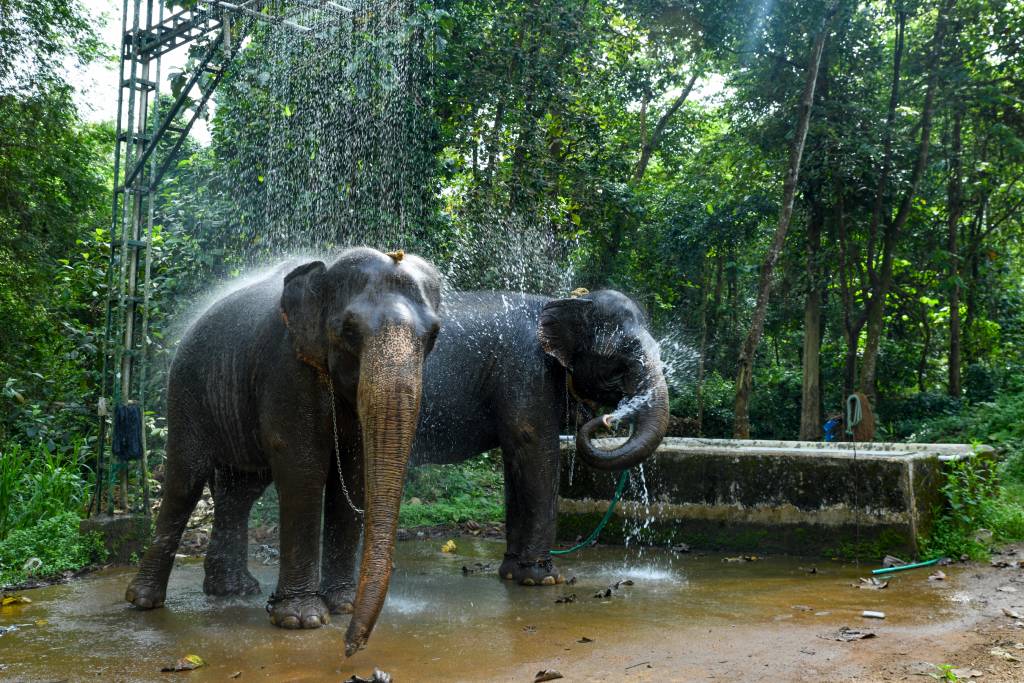
Abhayaranyam was born from a vision to transform an elephant training centre into a safe haven for animals who can no longer return to the wild. Today, visitors can witness gentle giants roaming freely in spacious enclosures, wander through deer-filled forests, and spot countless native species in their natural habitats.
Beyond Wildlife Encounters
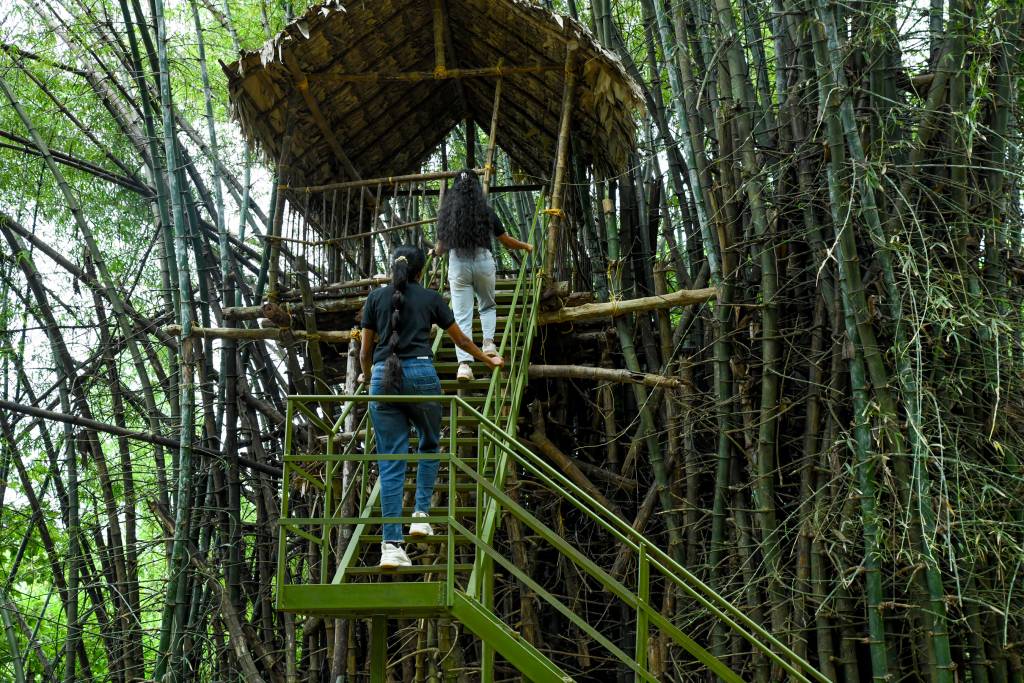
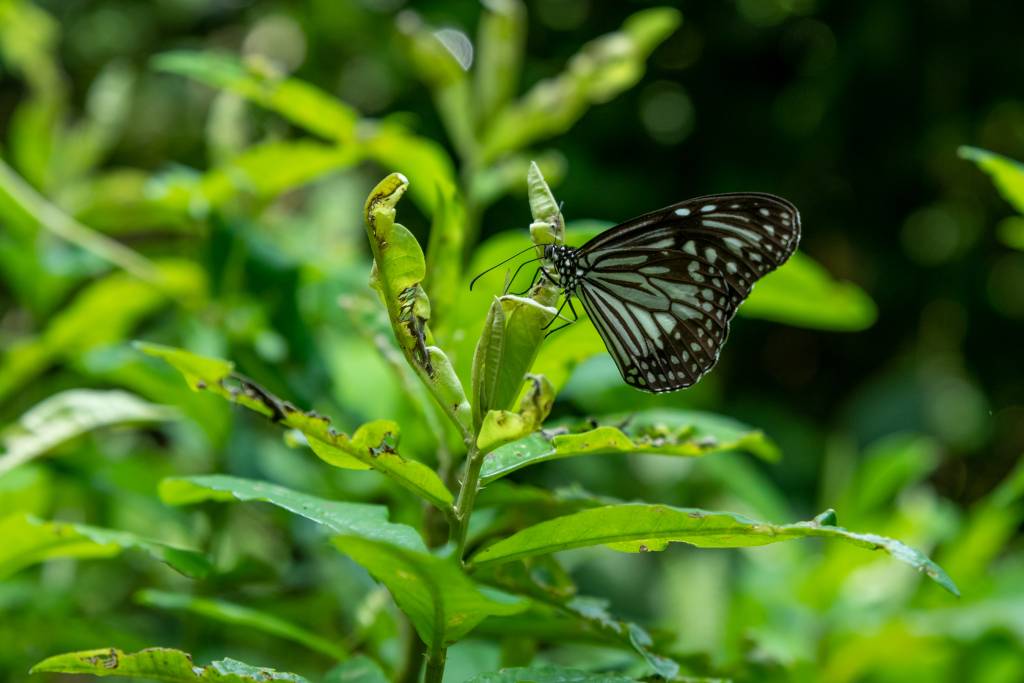
Here, every visit is an immersion in Kerala’s biodiversity and culture. Take a riverside walk along the Periyar, explore the vibrant butterfly gardens, or climb up to tree-top viewpoints for panoramic forest views.
Abhayaranyam also offers shaded picnic zones, an eco-shop with sustainable souvenirs, and guided tours that take you deep into our conservation story.
Experience the harmony of nature, conservation, and adventure—because together, we can explore nature and sustain the future.
A Living Classroom for All
We believe that awareness is the first step toward preservation. That’s why FDA Abhayaranyam runs regular educational programs, animal care demonstrations, and community initiatives—making it a place where visitors of all ages learn how human actions can shape the future of our planet.
Why Your Visit Matters
When you step into Abhayaranyam, you’re not just sightseeing—you’re supporting a model of ethical eco-tourism that sustains wildlife, empowers local communities, and protects Kerala’s natural heritage for generations to come.
When someone visits FDA Abhayaranyam, they’re not just coming for a walk in the forest or to see elephants—they’re actively helping the cause. Their entry ticket, purchases, and participation support wildlife care, local community livelihoods, and long-term environmental protection.
It also emphasizes that eco-tourism here is ethical—animals aren’t exploited for entertainment, habitats aren’t damaged for convenience, and the whole setup is designed to protect nature while letting people enjoy it responsibly.